2026 Housing Market: What Buyers, Sellers, and Homeowners Need to Know
The 2026 housing market may not bring the dramatic mortgage-rate drop many buyers have been waiting for. Instead, the year is shaping up to be one of relative stability, slower home-price growth, and rising costs of homeownership.
For buyers, that means looking beyond the listing price and mortgage rate. For homeowners, it means paying closer attention to insurance, property taxes, maintenance, and available home equity. And for sellers, understanding how affordability is affecting buyers could be more important than simply watching interest rates.
Here are the major housing trends to keep in mind as we move through 2026.
Mortgage Rates May Stay Higher for Longer
One of the biggest questions heading into 2026 was whether mortgage rates would finally return to the unusually low levels seen in the early 2020s.
The more likely scenario is a gradual and relatively modest change rather than a dramatic drop.
Forecasts cited by NerdWallet pointed toward 30-year mortgage rates remaining around the 6% range during 2026, with Fannie Mae anticipating a gradual move lower while the Mortgage Bankers Association projected a more stable rate environment.
The bigger takeaway for buyers and sellers is this:
Waiting for a dramatically lower mortgage rate may not be the best strategy.
If rates decline substantially, demand could increase quickly as more buyers return to the market. That could also create additional competition for homes.
What this means for buyers
Instead of building your entire homebuying strategy around a future rate prediction, focus on whether the payment works for your current budget.
Consider:
Your monthly principal and interest payment
Property taxes
Homeowners insurance
HOA fees, if applicable
Utilities and maintenance
Your emergency savings
How long you expect to own the home
A home that fits your finances today can be more valuable than waiting indefinitely for a rate that may or may not arrive.
Home Prices Are Slowing, But Affordability Is Still a Challenge
Home-price growth has cooled compared with the rapid increases seen earlier in the decade.
However, slower appreciation doesn't necessarily mean homes have suddenly become affordable.
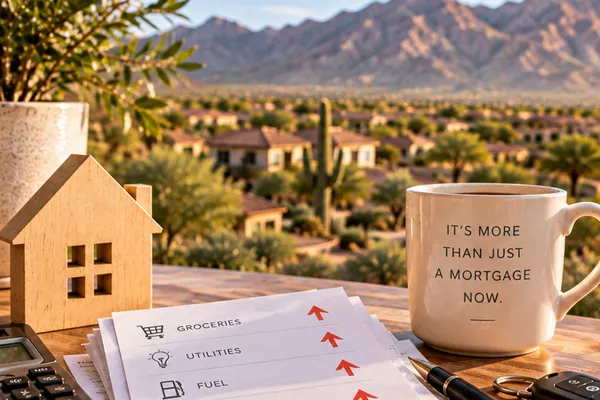
The bigger issue is that the cost of owning a home goes well beyond the purchase price.
Property taxes, homeowners insurance, utilities, maintenance, and other expenses can significantly affect the true cost of homeownership.
In some parts of the country, these costs have increased substantially in recent years.
That creates an interesting dynamic: A home may become less expensive on paper while becoming more expensive to own.
Buyers need to look beyond the listing price
Before purchasing, investigate the complete cost of ownership.
Look at:
Recent property tax bills
Homeowners insurance estimates
HOA dues
Utility costs
Expected maintenance
Local assessments
Potential repair or renovation expenses
The purchase price is only one piece of the affordability equation.
The Real Housing Affordability Question Is Changing
For years, mortgage rates were the headline issue in housing affordability.
In 2026, buyers may need to think about something broader:
What will this home actually cost me every month?
A slightly lower mortgage rate doesn't necessarily make a home affordable if insurance premiums, property taxes, and maintenance costs continue rising.
This is especially important for buyers comparing homes in different neighborhoods.
Two homes with similar prices can have very different monthly ownership costs.
That's why a good home search should evaluate the total housing expense, not just the list price.
Renting May Continue to Look Attractive for Some Households
Homeownership isn't automatically the best financial decision for everyone.
Rental affordability has been improving in some parts of the country, and rental inventory has expanded in certain markets.
At the same time, new build-to-rent communities are giving renters another option: single-family-style living without the responsibilities of owning the property.
These communities can offer features such as:
Private yards
More living space
Pools
Fitness centers
Community spaces
Maintenance services
Of course, rental conditions vary significantly by market.
For some households, renting may provide the flexibility they need while they build savings, pay down debt, or determine where they ultimately want to live.
For others, buying may make more sense based on their long-term plans.
There isn't one universally correct housing decision.
Homeowners Are Sitting on Significant Equity
Years of home-price appreciation have left many homeowners with substantial equity.
That equity can provide financial flexibility, but it can also create temptation to borrow against the home.
Home equity loans and HELOCs can be useful for certain purposes, but homeowners should remember that the home is collateral for the debt.
Using equity to consolidate debt, fund renovations, or cover other expenses should be approached carefully.
Before borrowing against your home, consider:
Why you're borrowing
How much you're borrowing
The interest rate
The repayment period
Whether the expense increases the home's value
Whether the new payment fits comfortably within your budget
Having substantial equity doesn't necessarily mean you need to use it.
Sometimes, the smartest thing you can do with your home equity is simply keep it.
Sellers Should Pay Attention to Buyer Affordability
The 2026 market isn't just about what sellers want their homes to be worth.
It's about what buyers can realistically afford.
When buyers face higher mortgage payments and rising ownership expenses, pricing becomes even more important.
That means sellers should avoid relying solely on what a home might have sold for several years ago.
Instead, look at:
Recent comparable sales
Current competing listings
Days on market
Local inventory
Buyer demand
Property condition
Current financing conditions
A home that is priced strategically can attract more qualified buyers and potentially create a stronger selling opportunity.
2026 May Reward Strategic Decisions Over Perfect Timing
One of the biggest lessons from the current housing environment is that trying to predict the "perfect" moment can become a frustrating exercise.
Mortgage rates can change.
Home prices can change.
Inventory can change.
Insurance costs can change.
Local market conditions can change.
Instead of waiting for every variable to line up perfectly, buyers and sellers should focus on the factors they can actually control.
For buyers:
Know your budget, understand the total cost of ownership, get financing in place, and focus on homes that genuinely fit your needs.
For sellers:
Understand your local market, price competitively, prepare the property properly, and make decisions based on today's buyers rather than yesterday's market.
For homeowners:
Review your insurance, property taxes, maintenance needs, mortgage, and equity position regularly.
The Bottom Line for the 2026 Housing Market
The 2026 housing market isn't necessarily a story about a crash or a dramatic return to ultra-low mortgage rates.
Instead, it's becoming a market where the details matter more.
Mortgage rates may remain relatively stable. Home-price growth may continue to moderate. Rental options may become more competitive. And the ongoing increases in insurance, taxes, and other ownership expenses could play a larger role in housing decisions.
For buyers and sellers, the best strategy may be less about waiting for the market to become "perfect" and more about understanding your local market, your finances, and your long-term goals.
Real estate is ultimately local. National trends provide useful context, but the market in your city or neighborhood can look very different from the national picture.
Before making a move in 2026, look beyond the headlines and understand the numbers that actually affect you.
Source & Attribution
National numbers are a starting point, but your costs and your home's value are local. Request a free home value report for your Ahwatukee home, or reach out to me and we'll look at your numbers together. If you're weighing timing, read Should You Wait for a Better Market? Here's My Honest Answer.
This article was independently rewritten and adapted from NerdWallet's “2026 Housing Market: Stable Rates, Rising Costs Ahead,” .
This article is an independently written adaptation for educational and informational purposes. It is not affiliated with or endorsed by NerdWallet. Statistics and forecasts should be considered in the context of their original publication date and may change as market conditions evolve.